

Can Peptides Help Save the Planet? The Climate Impact of Appetite‑Suppressing Drugs
At first glance, GLP-1 agonists like semaglutide (Wegovy) and tirzepatide (Zepbound) look like another weight-loss fad. In clinical trials, these drugs slowed stomach emptying, increased feelings of fullness, and cut energy intake by about 35 percent. Users lost almost 10 percent of their body weight on average. But what if the benefits go beyond the scale?
Food Is a Major Climate Culprit
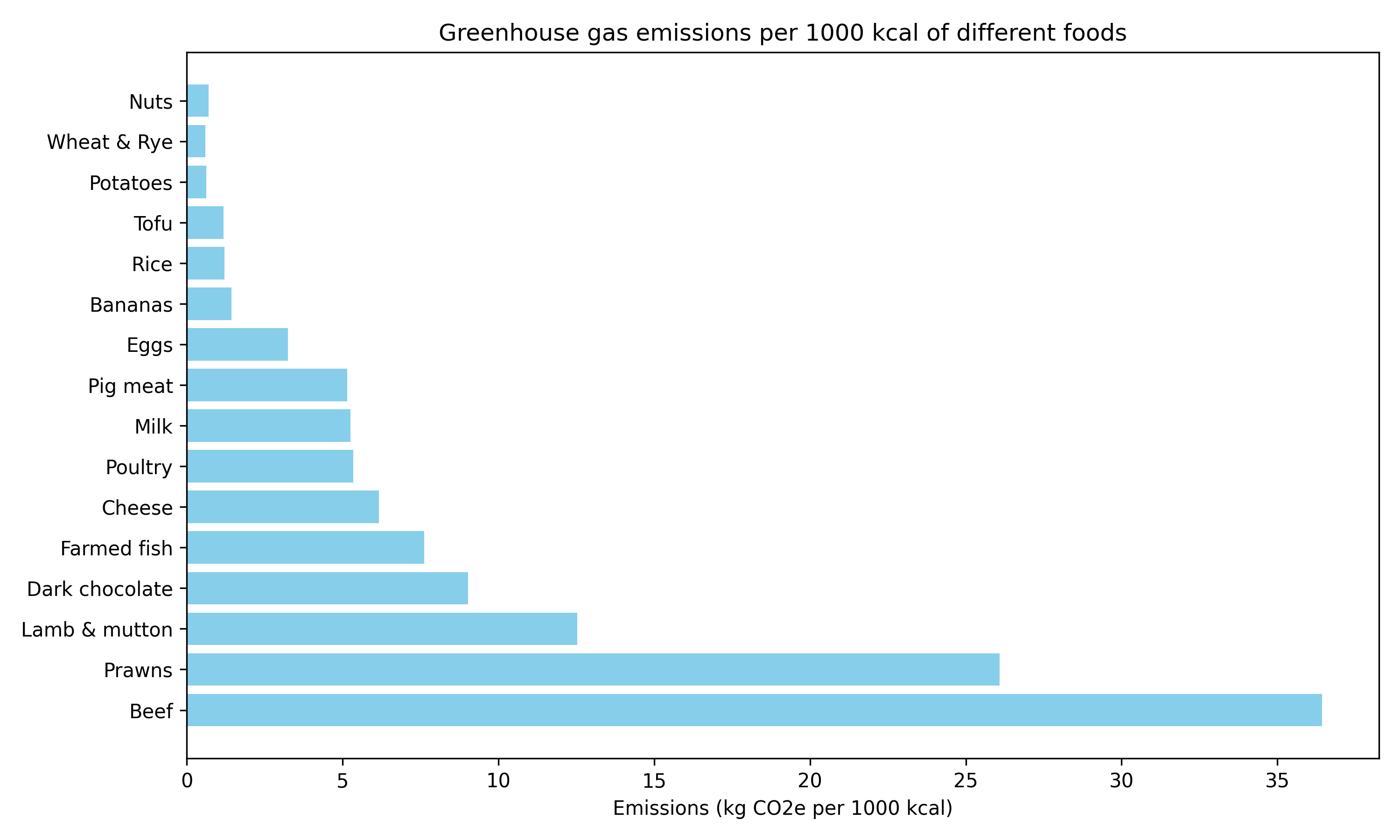
Food production generates about 26 percent of global greenhouse-gas emissions. Animal products are especially carbon-heavy: 1,000 kcal of beef emits roughly 36.4 kg of CO₂-equivalent, prawns emit 26.1 kg, and lamb & mutton about 12.5 kg. By contrast, staples like rice, tofu, and potatoes emit between 0.6 and 1.2 kg CO₂e per 1,000 kcal. The average U.S. diet produces about 4.72 kg CO₂e per person per day, largely because of meat and dairy consumption.
How Peptides Cut Carbon
- Eating Less – A 35 percent drop in calorie intake translates to about 1.55 kg of CO₂e saved per day in diet-related emissions for someone on a typical 2,000 kcal diet—roughly 565 kg a year.
- Choosing Greener Foods – GLP-1 drugs reduce cravings for high-fat, sugary foods, making it easier to swap a 500 kcal steak (≈18.2 kg CO₂e) for tofu (≈0.6 kg CO₂e).
- Drinking Less – Brewing a litre of beer emits about 0.51–0.84 kg CO₂e, and a 750 ml bottle of wine emits approximately 3.82 kg CO₂e. Heavy drinkers can generate roughly 202 kg CO₂e per year from alcohol, so cutting consumption can reduce emissions substantially.
- Fewer High-Carbon Dates – GLP-1s may dampen libido and other compulsive behaviours. A single dinner date with a 10-mile car trip and a restaurant meal can emit around 12 kg CO₂e, while using a dating app for 30 minutes daily adds roughly 2.85 kg CO₂e per year. Skipping ten such evenings saves about 120 kg CO₂e.
A Chart of Food Emissions
The contrast between animal and plant-based foods is illustrated below:
Could This Scale?
If millions of people adopted GLP-1 drugs and changed their diets accordingly, the cumulative emissions reduction could be significant. Yet peptides are not a silver bullet for the climate crisis. They help individuals make low-carbon choices but don’t address systemic drivers like fossil-fuel power, deforestation, or industrial agriculture. Moreover, these drugs carry medical risks and should be used under professional guidance.
The real takeaway is that personal health interventions can intersect with climate action. Weight-loss peptides may steer users toward plant-based diets and less consumption overall, trimming hundreds of kilograms of CO₂e each year. When paired with broader lifestyle shifts and structural policies—such as cleaner energy, sustainable farming, and better public transit—these changes form part of a mosaic of solutions.
Community Discussion